


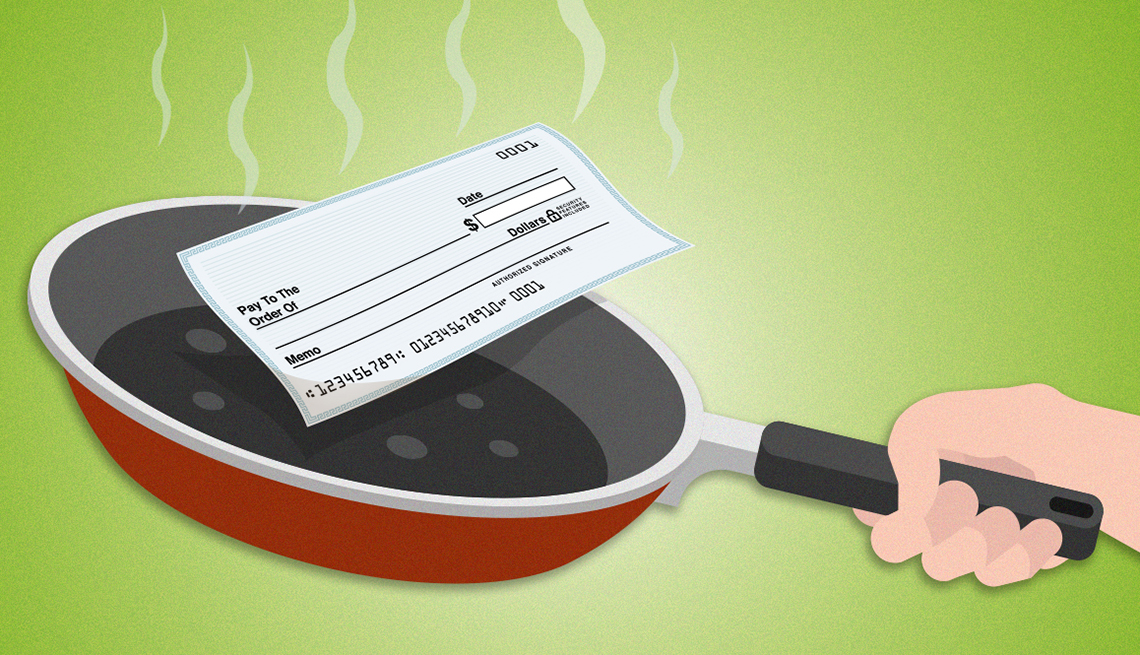
Financial scams are rising faster than ever, and millions of Americans lose billions of dollars every year to fraudsters. From fake investment opportunities to phishing emails and identity theft, scammers are constantly developing new ways to trick people into handing over their money or personal information.
The problem is that many scams look surprisingly legitimate. A message might appear to come from your bank, a government agency, or even a trusted company. Without knowing the warning signs, anyone can become a victim.
The good news is that most scams follow predictable patterns. Once you understand how they work, it becomes much easier to recognize and avoid them. In this guide, we’ll break down the top financial scams in the U.S., explain how they operate, and give you practical steps to protect yourself and your finances.
Top Financial Scams in the U.S. Right Now
Below is a quick overview of the most common scams currently affecting Americans.
| Scam Type | How It Works | Main Target |
|---|---|---|
| Phishing Scams | Fake emails or texts steal login information | Online users |
| Investment Fraud | Fake investment opportunities promise huge profits | Investors |
| Identity Theft | Personal data is stolen to open accounts or loans | Consumers |
| Tech Support Scams | Fake support agents ask for remote access | Computer users |
| Government Impersonation | Scammers pretend to be tax or social security agents | Seniors |
Let’s explore each of these in detail.
1. Phishing Scams
Phishing is one of the most widespread online financial scams today. Fraudsters send emails, texts, or messages pretending to be from trusted organizations such as banks, delivery companies, or government agencies.
The goal is simple: trick you into revealing sensitive information like passwords, credit card numbers, or banking details.
Common Phishing Tactics
- Fake bank security alerts
- “Package delivery problem” messages
- Account verification requests
- Fake password reset emails
How to Avoid Phishing Scams
- Never click suspicious links in emails or text messages
- Check the sender’s email address carefully
- Log into your account directly through the official website
- Enable two-factor authentication
Learning to spot phishing attempts is one of the most effective ways to avoid top financial scams in the U.S.
2. Investment Fraud Scams
Investment scams are becoming more sophisticated and increasingly common. Fraudsters promise huge returns with little or no risk.
These scams often involve:
- Cryptocurrency investments
- Fake stock trading platforms
- Real estate schemes
- Ponzi or pyramid schemes
Warning Signs of Investment Fraud
- Guaranteed profits
- Pressure to invest quickly
- Secret or “exclusive” opportunities
- Requests for payment through unusual methods
Example Scenario
A scammer contacts you through social media claiming to be a successful investor. They show fake screenshots of massive profits and convince you to invest in a platform. After depositing money, the website disappears.
Protection Tips
- Research every investment opportunity carefully
- Verify company registration and licenses
- Avoid investments promoted through social media messages
- Consult a financial professional before investing
Investment fraud remains one of the top financial scams in the U.S. because it targets people’s desire for fast profits.
3. Identity Theft Scams
Identity theft occurs when criminals steal personal information such as:
- Social Security numbers
- bank account details
- credit card numbers
- passwords
They then use this information to open new accounts, take loans, or make fraudulent purchases.
Signs You May Be a Victim
- Unexpected credit card charges
- Loan applications you didn’t submit
- Missing mail or bills
- Credit score changes without explanation
How to Protect Yourself
- Monitor bank and credit card statements regularly
- Use strong passwords for online accounts
- Shred documents containing personal information
- Check your credit report periodically
Identity theft is one of the most damaging financial scams in America because it can affect victims for years.
4. Tech Support Scams
Tech support scams involve criminals pretending to be computer technicians from well-known companies.
You may receive:
- A phone call claiming your computer has a virus
- A pop-up warning saying your device is infected
- An email offering urgent technical help
The scammer asks for remote access to your computer and demands payment to fix the issue.
Why This Scam Works
Many users panic when they see security warnings. This fear makes them more likely to follow instructions quickly without verifying the source.
How to Stay Safe
- Never allow unknown individuals remote access to your computer
- Ignore suspicious pop-up warnings
- Contact the official support team directly if you suspect an issue
5. Government Impersonation Scams
Another major category among the top financial scams in the U.S. involves criminals pretending to represent government agencies.
Common examples include:
- Fake tax collection calls
- Social security benefit scams
- Medicare fraud
- immigration scams
Victims are often told they must pay fines immediately or risk legal consequences.
Typical Red Flags
- Urgent threats of arrest or penalties
- Requests for payment via gift cards or wire transfer
- Demands for sensitive personal information
Government agencies rarely demand immediate payments through phone calls or messages.
Common Warning Signs of Financial Scams
Regardless of the specific scheme, most online financial scams share similar warning signals.
Major Red Flags
- Pressure to act quickly
- Promises of guaranteed profit
- Requests for confidential information
- Unusual payment methods
- Messages from unknown senders
Recognizing these signals early can prevent major financial losses.
Step-by-Step Guide: How to Avoid Financial Scams
Protecting yourself doesn’t require advanced technical knowledge. Following a few simple practices can significantly reduce your risk.
Step 1: Verify Before Trusting
Always confirm the identity of anyone requesting personal or financial information.
Step 2: Use Strong Passwords
Create unique passwords for different accounts and avoid reusing the same credentials.
Step 3: Enable Two-Factor Authentication
Two-factor authentication adds an additional layer of security to online accounts.
Step 4: Monitor Financial Accounts
Check bank and credit card transactions frequently to detect suspicious activity.
Step 5: Stay Informed
Scammers constantly change tactics, so staying aware of the top financial scams in the U.S. helps you remain protected.
Additional Financial Safety Tips
Here are extra cybersecurity habits that can protect your money and identity.
Best Practices
- Install antivirus software
- Avoid public Wi-Fi for financial transactions
- Update apps and devices regularly
- Be cautious with social media information
- Report suspicious activity immediately
Developing these habits can significantly strengthen your financial fraud prevention strategy.
Related Resources
For more insights on protecting your finances and using modern technology to improve financial management, explore additional guides on the EliteEraDev blog about:
- AI tools for financial management
- digital automation for businesses
- financial data security strategies
These internal resources can help you strengthen both personal and business financial protection.
FAQ: Top Financial Scams in the U.S.
1. What are the most common financial scams in the U.S. today?
The most common scams include phishing emails, identity theft, investment fraud, tech support scams, and government impersonation scams.
2. How do scammers steal personal financial information?
Scammers often use phishing emails, fake websites, malicious software, and phone scams to trick people into revealing personal details.
3. Who is most likely to be targeted by financial scams?
Anyone can be targeted, but seniors, online shoppers, and new investors are often frequent targets of financial fraud.
4. What should I do if I become a victim of a financial scam?
Immediately contact your bank, change passwords, monitor accounts for suspicious activity, and report the scam to the appropriate authorities.
5. How can I stay protected from online financial scams?
Use strong passwords, enable two-factor authentication, verify suspicious messages, and stay updated on the top financial scams in the U.S.
Final Thoughts
Financial scams continue to evolve, but awareness remains your strongest defense. By understanding the top financial scams in the U.S., recognizing warning signs, and practicing smart cybersecurity habits, you can significantly reduce your risk of becoming a victim.
Fraudsters rely on confusion, urgency, and lack of knowledge. The more informed you are, the harder it becomes for them to succeed.
Stay cautious, verify everything, and protect your personal and financial information at all times.
💡 Try our AI Automation agency here to make to make your company grow!











Leave a Reply