



Every year, people lose thousands of dollars not because they lack intelligence or effort, but because of hidden biases costing you money without your awareness. These biases silently influence how you spend, invest, hire, price, and even automate your business. The most dangerous part? They feel logical in the moment.
From emotional purchasing to flawed business decisions, unconscious patterns shape outcomes far more than most people realize. These mental shortcuts once helped humans survive but today, they often result in poor financial judgment, inefficiency, and missed growth opportunities.
The good news is simple: once you recognize these hidden biases, you can systematically eliminate their impact. This guide breaks down the most expensive biases, shows how they affect real financial decisions, and explains how automation and structured systems can protect you from repeating the same costly mistakes year after year.
What Are Hidden Biases?
Hidden biases also known as unconscious or cognitive biases are mental shortcuts your brain uses to make fast decisions. While efficient, they often distort reality and lead to predictable financial errors.
These biases influence:
- Spending habits
- Business pricing strategies
- Investment decisions
- Hiring and vendor selection
- Automation and technology adoption
Understanding how hidden biases costing you money operate is the first step toward fixing them.
The Most Expensive Biases Costing You Money Every Year
1. Confirmation Bias
What it is: Seeking information that confirms existing beliefs while ignoring contradictory data.
Financial impact:
- Sticking with losing investments
- Refusing better tools or systems
- Ignoring performance data
Example: A business owner continues manual processes because they “worked before,” despite data showing automation would reduce costs.
2. Loss Aversion
What it is: Feeling losses more intensely than gains.
Financial impact:
- Avoiding profitable investments
- Rejecting automation due to upfront cost
- Overpaying to avoid perceived risk
Loss aversion is one of the strongest behavioral economics mistakes affecting long-term growth.
3. Anchoring Effect
What it is: Relying too heavily on the first number seen.
Financial impact:
- Overpaying vendors
- Underpricing services
- Accepting poor deals
Anchoring heavily influences pricing bias and negotiation outcomes.
4. Sunk Cost Fallacy
What it is: Continuing something because you already invested time or money.
Financial impact:
- Keeping failing software
- Maintaining unproductive employees
- Funding unprofitable projects
Past costs should never dictate future decisions.
5. Decision Fatigue
What it is: Poor decisions made after mental exhaustion.
Financial impact:
- Emotional spending
- Rushed hiring choices
- Inconsistent pricing
This bias directly causes money decision errors in both personal finance and business operations.
How Hidden Biases Affect Businesses More Than Individuals
Hidden biases scale with responsibility. In business, one biased decision can impact:
- Cash flow
- Operational efficiency
- Customer experience
- Profit margins
Common Business Areas Affected
| Area | Bias Impact |
|---|---|
| Pricing | Anchoring, confirmation bias |
| Hiring | Similarity bias, risk aversion |
| Automation | Loss aversion, sunk cost fallacy |
| Strategy | Overconfidence bias |
This is why cognitive biases in business are far more expensive than personal financial mistakes.
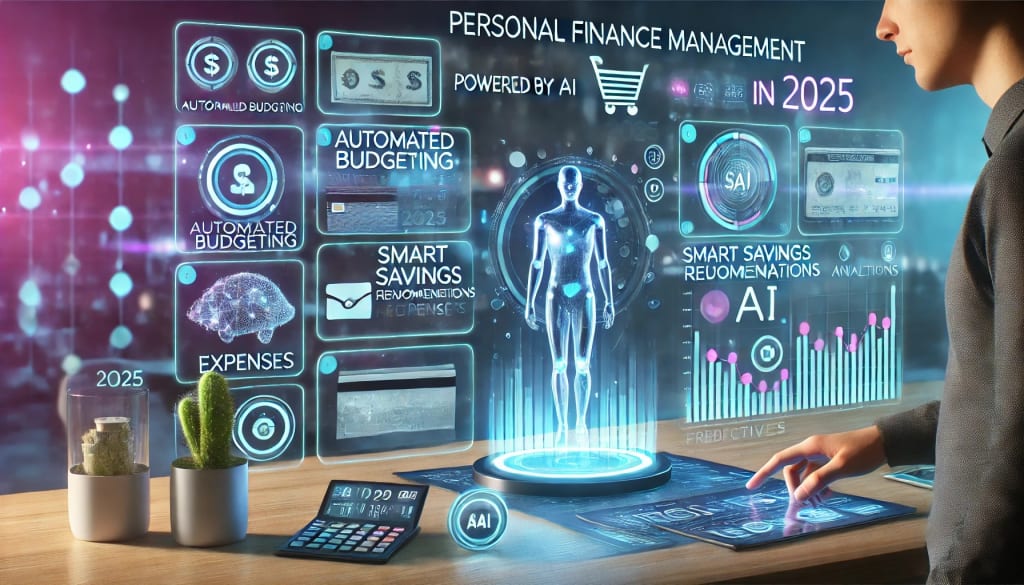
Why Automation Reduces Bias-Driven Losses
Automation replaces emotional judgment with data-driven logic.
Benefits of Automation
- Eliminates emotional decision-making
- Applies consistent rules
- Reduces human error
- Improves scalability
When systems make decisions based on predefined logic, hidden biases costing you money lose their power.
Step-by-Step: How to Eliminate Financial Biases
Step 1: Audit Repetitive Decisions
Identify where you repeatedly lose money.
Step 2: Standardize Rules
Create objective criteria for pricing, hiring, and spending.
Step 3: Automate Where Possible
Replace judgment calls with tools and workflows.
Step 4: Review Data Monthly
Data reveals bias patterns before they become expensive.
Signs Bias Is Costing You Money Right Now
- You delay decisions despite clear data
- You justify poor outcomes emotionally
- You resist new tools without analysis
- You repeat the same mistakes annually
If these sound familiar, financial decision bias is already affecting your bottom line.
The Role of AI in Bias-Free Decisions
AI systems:
- Do not experience fear or loss aversion
- Analyze large data sets objectively
- Improve decisions over time
This makes AI a powerful tool against behavioral economics mistakes and human error.
Frequently Asked Questions (FAQ)
What are hidden biases in financial decisions?
Hidden biases are unconscious mental shortcuts that distort judgment and lead to poor money decisions.
How do hidden biases cost businesses money?
They cause inefficient spending, poor pricing, delayed automation, and repeated strategic errors.
Can automation really reduce bias?
Yes. Automation enforces objective rules and removes emotional influence from decisions.
What is the most expensive cognitive bias?
Loss aversion is often the most costly because it prevents growth-driven decisions.
How can beginners start fixing bias-driven mistakes?
Start by documenting decisions, reviewing data regularly, and automating repeat processes.
Final Thoughts: Awareness Is Profit
Hidden biases are unavoidable but their financial damage is not. Once you recognize how hidden biases costing you money operate, you can design systems that protect your finances automatically. The goal is not to think harder but to think less by relying on better structures.
Call to Action
💡 Try our AI Automation agency here to make to make your company grow!










Leave a Reply